Evening at 31st and Troost: A New Path for Those Struggling with Mental Health and Addiction
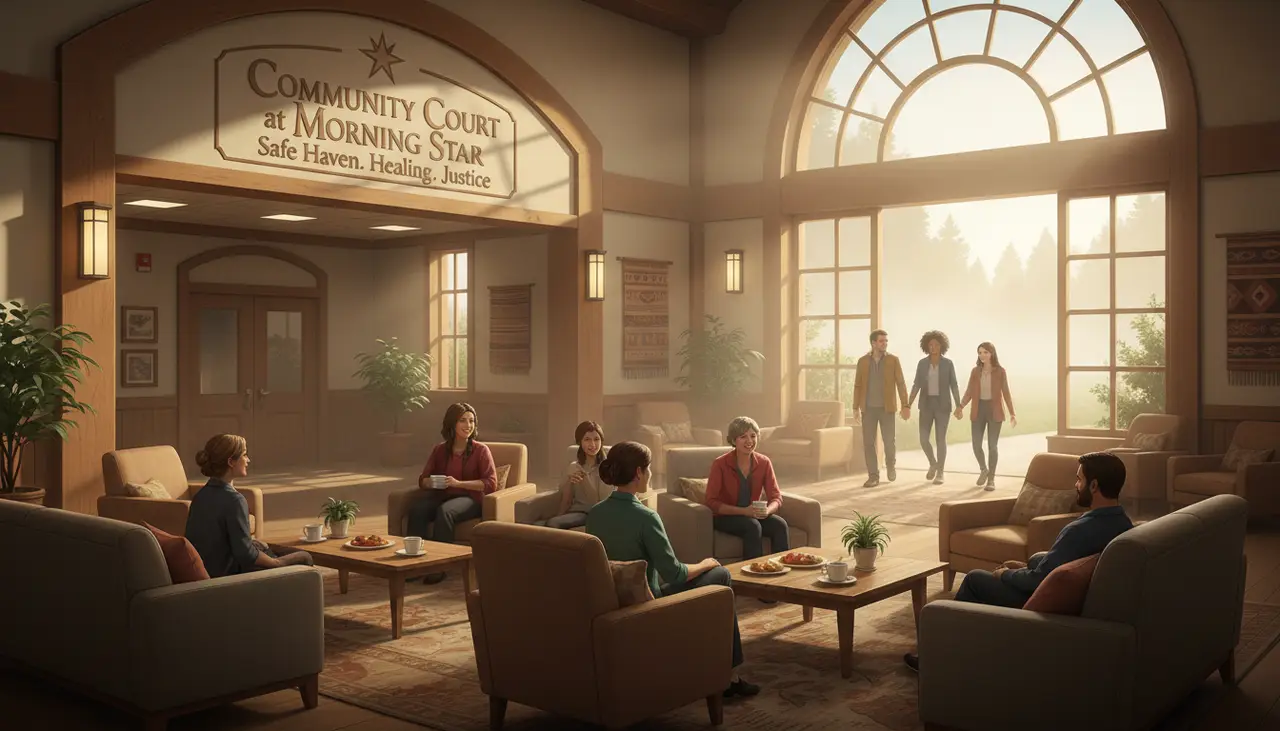
It’s 6:30 p.m. on a brisk Thursday in the Hyde Park neighborhood. At the corner of 31st Street and Troost Avenue, a steady stream of people pass by on their way home, unaware that just blocks away, a new approach to justice is quietly reshaping lives. Inside the municipal court building, Judge Courtney Wachal presides over Kansas City’s Wellness Court, a specialty court designed to address the complex realities of mental health and substance use disorders.
What Happened: A New Approach to Mental Health and Substance Use in Kansas City
Kansas City’s Wellness Court, overseen by Presiding Judge Courtney Wachal, is part of a growing movement to rethink how the justice system handles individuals with serious mental health conditions and substance use issues. This court operates within the municipal court system, which typically manages city ordinance violations, but here it takes a different path.
For more than 20 years, specialty courts have existed nationwide, but Kansas City’s Wellness Court is notable for its voluntary program structure and four-part treatment approach. Participants must complete treatments for substance use or mental health conditions, remain alcohol and drug-free for at least 180 days, and comply with a relapse prevention or aftercare plan before graduation.
Holly Miles, the executive director of the National Alliance on Mental Illness (NAMI) Kansas City since September, works closely with the court to support participants and connect them with resources. The program is set to expand with a new women’s court launching in March, focusing specifically on sexual assault and human trafficking survivors. Judge Wachal is also involved in the local human trafficking task force, which played a key role in a 2021 Homeland Security operation that rescued 31 survivors of sexual exploitation in Kansas City.
Why This Matters Locally
Every year, two million people nationwide are booked into jails for serious mental health conditions, and Kansas City is no exception. Without specialized intervention, these individuals risk cycling through the criminal justice system repeatedly, draining public resources and increasing community stress.
For residents near the municipal court and surrounding neighborhoods like Hyde Park, this cycle means increased safety risks and strain on local services. When untreated mental health or substance use issues lead to repeated offenses or crises, it can disrupt neighborhoods, burden emergency responders, and contribute to housing instability.
Ignoring these issues or delaying intervention puts you or your household at risk of prolonged legal troubles, financial strain from court fees or housing loss, and the emotional toll of repeated crises. The Wellness Court offers a structured, proven alternative, but participation is voluntary and requires commitment.
If This Happens to You: What to Do Immediately
- Recognize the signs: If you or a loved one is struggling with mental health or substance use issues and facing legal trouble, act quickly.
- Contact the municipal court or wellness court program to inquire about eligibility and the voluntary nature of the program.
- Seek immediate medical or mental health evaluation to document your condition and treatment needs.
- Secure reliable transportation to attend all required treatment sessions and court dates—missing these can lead to severe legal consequences.
- Connect with local support organizations like NAMI Kansas City for guidance and resources.
- Maintain strict sobriety as required by the program to avoid setbacks or disqualification.
- Inform your legal counsel immediately about your intention to participate in the Wellness Court program.
When Local Professional Help Becomes Necessary
This is not a situation you can navigate alone. When facing charges linked to mental health or substance use, you need to contact a lawyer experienced in municipal and specialty court procedures immediately. Legal guidance is critical to understand your rights and the program’s requirements.
Professional mental health and substance use treatment providers become essential partners once you enter the Wellness Court. You cannot skip or delay these treatments without risking program failure and potential jail time.
Additionally, if your situation involves housing instability due to legal or health issues, you should contact local housing planners or social service contractors who specialize in crisis intervention. Their expertise can prevent eviction and provide stability during recovery.
Closing Local Context
Residents of Kansas City, especially those living near or traveling through neighborhoods like Hyde Park, often cross paths with the municipal court system—whether directly or indirectly. The Wellness Court represents a critical shift in how our city addresses the intersection of law, mental health, and addiction.
Ignoring these challenges or hoping they resolve on their own can lead to repeated legal problems, strained public resources, and personal hardship. Kansas City’s Wellness Court offers a lifeline, but it demands commitment and professional support. If you or someone you know is caught in this cycle, the time to act is now.
Where This Is Happening in Kansas
The Wellness Court operates within Kansas City’s municipal court system, located near key intersections such as 31st Street and Troost Avenue in the Hyde Park neighborhood. This area is a daily thoroughfare for many residents commuting through the city’s central corridors.
Nearby streets include 31st Street, Troost Avenue, and surrounding neighborhoods that often see residents affected by mental health and substance use challenges. Local landmarks such as municipal buildings and community centers are hubs for court proceedings and support services.
For many Kansas Citians, these streets and neighborhoods are part of daily life—whether driving home, walking to local businesses, or accessing city services. Understanding the Wellness Court’s role here is vital to grasping how justice and health intersect in our community.