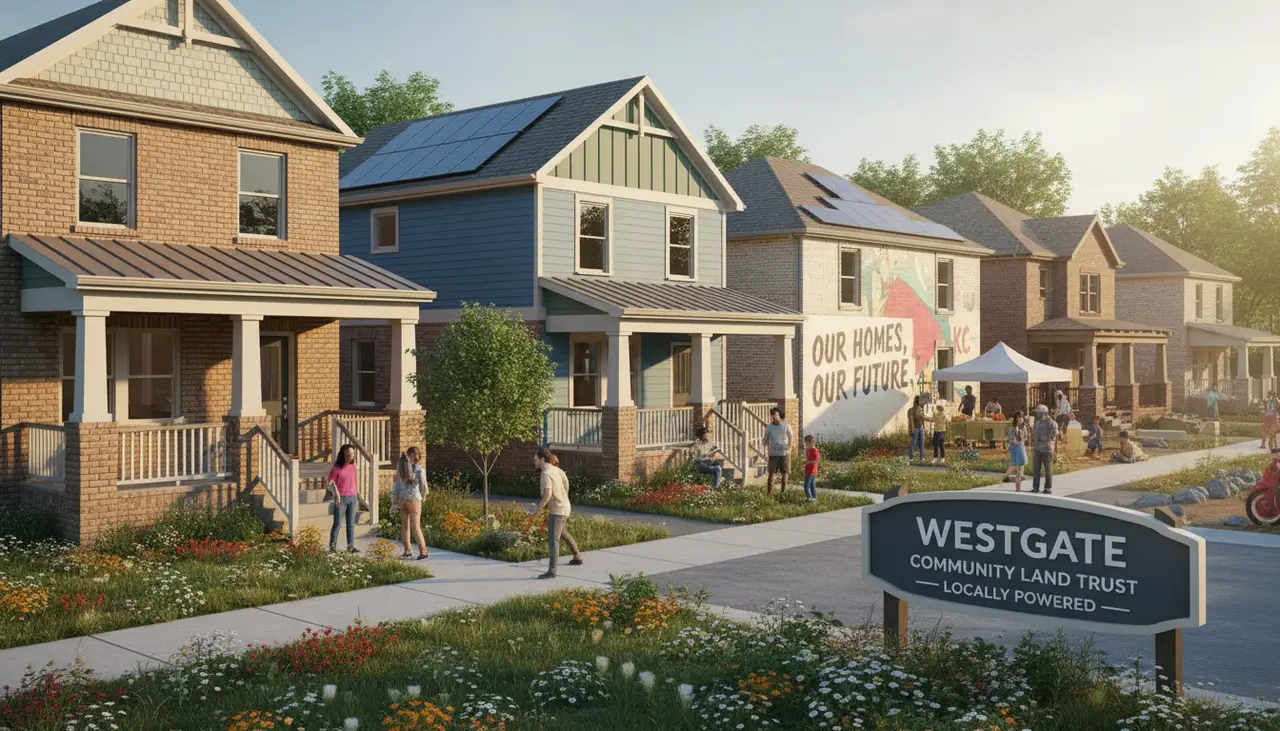
Early Morning on Sunset Drive: A Walk Past Kansas City’s Architectural Legacy
It’s just after 7 a.m. on Sunset Drive, near the heart of Sunset Hills, and the quiet hum of the city beginning to stir is punctuated by the distinct silhouette of historic homes lining the street. The neighborhood, known for its tree-lined avenues and proximity to Loose Park, holds more than just morning calm. Here, residents walk past houses that tell a story of innovation and architectural progress dating back over a century.
What’s Behind the Pink House and Other Historic Homes in Sunset Hills?
Among these storied residences is the famed Pink House, designed by Mary Rockwell Hook, one of only five female architects active in Kansas City between 1910 and 1931. Hook’s work is not just historic for its age but for pioneering features that still affect homeowners today. Her designs included some of the earliest poured concrete foundations and the first attached garage in the area—innovations that have shaped how modern homes are built and maintained.
In 1983, nine of Hook’s residential designs were listed on the National Register of Historic Places, with seven located right here in Sunset Hills. These homes are more than landmarks; they are living structures that require ongoing attention and care.
Why This Matters to Sunset Hills and Kansas City Residents
Living in or near these historic homes isn’t just about appreciating their beauty. The unique construction methods and materials Mary Rockwell Hook used—such as early poured concrete foundations—can pose specific challenges for homeowners today. Foundations that have stood for over a century may be vulnerable to cracks, water damage, or settling that, if ignored, can lead to costly repairs and safety risks.
Additionally, the first attached garages in these homes, while innovative for their time, may not meet today’s standards for structural integrity or safety. Electrical systems, plumbing, and HVAC components in these older homes can also be outdated, posing fire hazards or inefficiencies that increase household expenses.
Ignoring these issues can lead to escalating repair costs, compromised safety, and even decreased property values. For residents, this means that routine maintenance isn’t optional—it’s critical.
If You Own or Live in One of These Historic Homes: What to Do Immediately
- Inspect your home’s foundation for visible cracks or signs of water intrusion. Don’t wait for small issues to worsen.
- Check the attached garage structure for any sagging, wood rot, or water damage, especially around the foundation.
- Review your home’s electrical and HVAC systems to ensure they comply with current safety standards.
- Document any irregularities or damages with photos and notes for future reference.
- Schedule a professional home inspection focusing on structural and systems integrity.
- Contact your homeowner’s insurance provider to confirm coverage for historic properties.
- Prepare to act quickly if any urgent repairs are recommended—delays can increase costs and risks.
When Professional Help Becomes Necessary
At several points, professional assistance is not just recommended but essential. If you notice foundation cracks expanding, water pooling near your home, or structural issues in the garage, you need to contact a licensed contractor immediately. Delaying foundation repairs can lead to severe structural damage and unsafe living conditions.
Similarly, outdated electrical wiring or HVAC systems put your household at risk of fire or carbon monoxide poisoning. At the first sign of malfunction—flickering lights, unusual smells, or inconsistent heating and cooling—you must hire certified electricians or HVAC technicians. Attempting DIY fixes here is dangerous and could void insurance coverage.
Finally, if your home has suffered damage from storms, water leaks, or pest infestation, restoration companies and pest control experts become critical. Ignoring these problems can lead to mold growth, structural deterioration, and health hazards for your family.
Historic Homes in a Modern City: The Local Context
Sunset Hills residents and visitors alike pass by these architectural landmarks every day, whether on their morning commute or weekend strolls near Loose Park. The legacy of Mary Rockwell Hook’s work is a reminder that Kansas City’s history is embedded in its neighborhoods. But with that legacy comes responsibility—maintaining these homes requires vigilance, timely repairs, and the involvement of skilled professionals.
For those living in or near Sunset Hills, understanding the risks and demands of these historic structures is crucial. Your safety, your finances, and the preservation of Kansas City’s architectural heritage depend on it.
Where This Is Happening in Kansas
This situation is centered around Sunset Hills, a neighborhood bordering Loose Park, one of Kansas City’s most recognizable landmarks. Nearby streets include Sunset Drive, where several of Mary Rockwell Hook’s homes stand. Locals traveling through the area on their way to downtown Kansas City or nearby residential districts regularly encounter these historic properties. The proximity to major thoroughfares and parks makes this a daily passageway for many residents, emphasizing the importance of awareness about the condition and upkeep of these aging homes.