Evening Tensions at 31st Street and Troost Avenue as Stadium Lawsuit Looms Over Kansas City
It’s 6:30 p.m. at the busy intersection of 31st Street and Troost Avenue, deep in the heart of Kansas City’s Midtown neighborhood. Commuters inch through the rush hour traffic, some glancing toward the distant glow of the stadiums where the Chiefs and Royals play. But tonight, the usual buzz feels heavier. Conversations in nearby cafés and on sidewalks revolve around the recent lawsuit challenging the state’s billions in subsidies for those very stadiums. For many here, this isn’t just political noise—it’s a direct threat to their daily lives and the city’s future.
What Happened: Lawsuit Challenges Missouri’s Stadium Subsidies
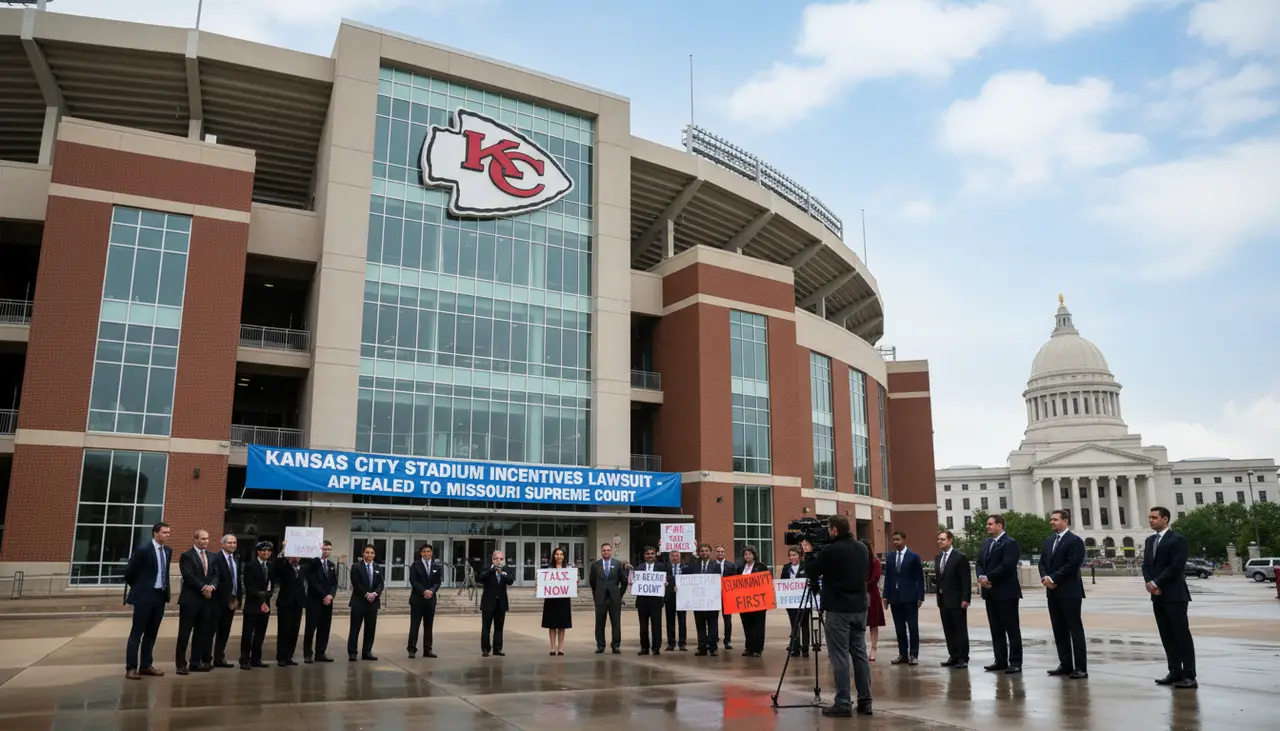
On July 31, a lawsuit was filed in Cole County by State Senator Michael Moon (R-Ash Grove), State Representative Bryant Wolfin (R-Ste. Genevieve), and citizen activist Ron Calzone (Maries County). They are suing the State of Missouri, Governor Mike Kehoe, and former Attorney General Andrew Bailey over Senate Bill 3, which includes the “Show-Me Sports Investment Act.”
This bill authorizes up to 50% tax credits against stadium construction bonds for the Kansas City Chiefs and Royals, amounting to more than $500 million in subsidies. Over 30 years, this could total $1.5 billion, including $33 million annually for the Chiefs alone. The lawsuit argues that using state income for these subsidies is unconstitutional because the General Assembly can only spend state funds for public purposes.
The stakes are high: the Chiefs have announced plans to leave Missouri for Kansas by 2031, where a competing offer could cover up to 70% of stadium construction costs, potentially up to $1 billion. Missouri stands to lose up to $68 million in tax revenue if the teams relocate. The lawsuit is currently before Judge Christopher Limbaugh, who ruled on January 16 and heard a motion for reconsideration on January 23.
Why This Matters Locally: The Real Impact on Kansas City Residents
This lawsuit isn’t just about sports or politics—it affects your wallet, your commute, and your neighborhood’s stability.
- Financial strain: If the teams leave, Missouri could lose millions in tax revenue, which could mean cuts to public services or higher taxes for residents.
- Property and housing values: Stadiums anchor economic activity. Their loss might depress housing markets in Midtown and surrounding neighborhoods.
- Traffic and infrastructure: Stadium events create congestion on streets like 31st Street and Troost Avenue. Changes in stadium funding or team location could disrupt city planning and maintenance schedules, worsening traffic or delaying repairs.
- Storm damage relief funds: The bill also allocates $25 million for storm damage relief after recent storms in St. Louis and other parts of Missouri. If funding is diverted or cut, recovery efforts could slow, affecting safety and property repairs.
Ignoring these developments risks unexpected tax hikes, declining neighborhood conditions, and strained city services. Residents who depend on stable city budgets and infrastructure should pay close attention.
If This Happens to You: What to Do Immediately
If you live, work, or own property near the stadium areas or in neighborhoods like Midtown, here’s what you need to do now:
- Stay informed: Follow local court rulings on the lawsuit and city announcements about stadium funding.
- Review your property taxes: Check for any proposed increases linked to stadium subsidies or lost revenue.
- Document your property condition: Take photos of your home or business, especially if you’ve experienced storm damage recently.
- Monitor traffic patterns: Note any changes or worsening congestion around 31st Street, Troost Avenue, and nearby streets.
- Attend local meetings: City council or neighborhood association meetings will discuss the lawsuit’s impact and possible city responses.
- Prepare financially: Budget for potential increases in property taxes or service fees.
- Reach out for help: If you experience property damage, financial hardship, or legal questions, don’t wait to get professional advice.
When Local Professional Help Becomes Necessary
You need to contact a lawyer if you:
- Receive notices about property tax increases related to stadium funding
- Face eviction or foreclosure risks due to financial strain tied to city budget changes
- Need clarity on your legal rights as a taxpayer or property owner amid changing laws
Contractors and repair services become essential if you:
- Have unresolved storm damage that could worsen without timely repairs
- See increased wear on your property due to changing traffic or city maintenance delays
Urban planners or local advocacy groups can assist if you:
- Want to participate in neighborhood planning around stadium areas
- Need guidance on how changes in stadium funding affect local infrastructure projects
Local Context: What This Means for Kansas City
Midtown residents and those who use 31st Street and Troost Avenue daily are on the front lines of this dispute. The stadiums are not just sports venues—they are economic engines and community landmarks. The outcome of this lawsuit could reshape the city’s budget priorities, traffic flows, and neighborhood vitality for decades.
With the Chiefs’ announced plans to leave Missouri by 2031 and Kansas offering a much larger subsidy, the pressure on Missouri’s legislature and city officials will only grow. For Kansas City residents, the clock is ticking. This isn’t a distant political issue—it’s a local crisis that could impact your household’s finances, safety, and quality of life.
Where This Is Happening in Kansas
The stadiums sit near downtown Kansas City, with Midtown’s 31st Street and Troost Avenue among the key corridors affected by stadium-related traffic and development. Residents in neighborhoods surrounding these streets experience event-day congestion and rely on consistent city services funded by local tax revenues.
Landmarks like the Chiefs’ Arrowhead Stadium and the Royals’ Kauffman Stadium anchor this area. Many locals commute through these streets daily, whether to work, school, or errands. Changes in stadium funding, team locations, or city budgets will ripple through these neighborhoods, making awareness and preparedness essential for every resident.