Evening Rush at 18th & Vine: What Kansas City’s New Budget Means for Your Safety and Wallet
It’s 6:30 p.m. on a Thursday at the intersection of 18th Street and Vine in the Historic Northeast neighborhood. Commuters are weaving through traffic, some heading home from work, others stopping at local businesses or the nearby American Jazz Museum. The hum of engines mixes with distant sirens—an everyday soundtrack in Kansas City that carries a sharper edge this year. As the city prepares to finalize its $2.5 billion budget for the 2026-27 fiscal year, residents here face decisions that will directly affect their safety, taxes, and the future of their neighborhoods.
What Happened: Mayor Lucas’ State of the City Address and Budget Preview
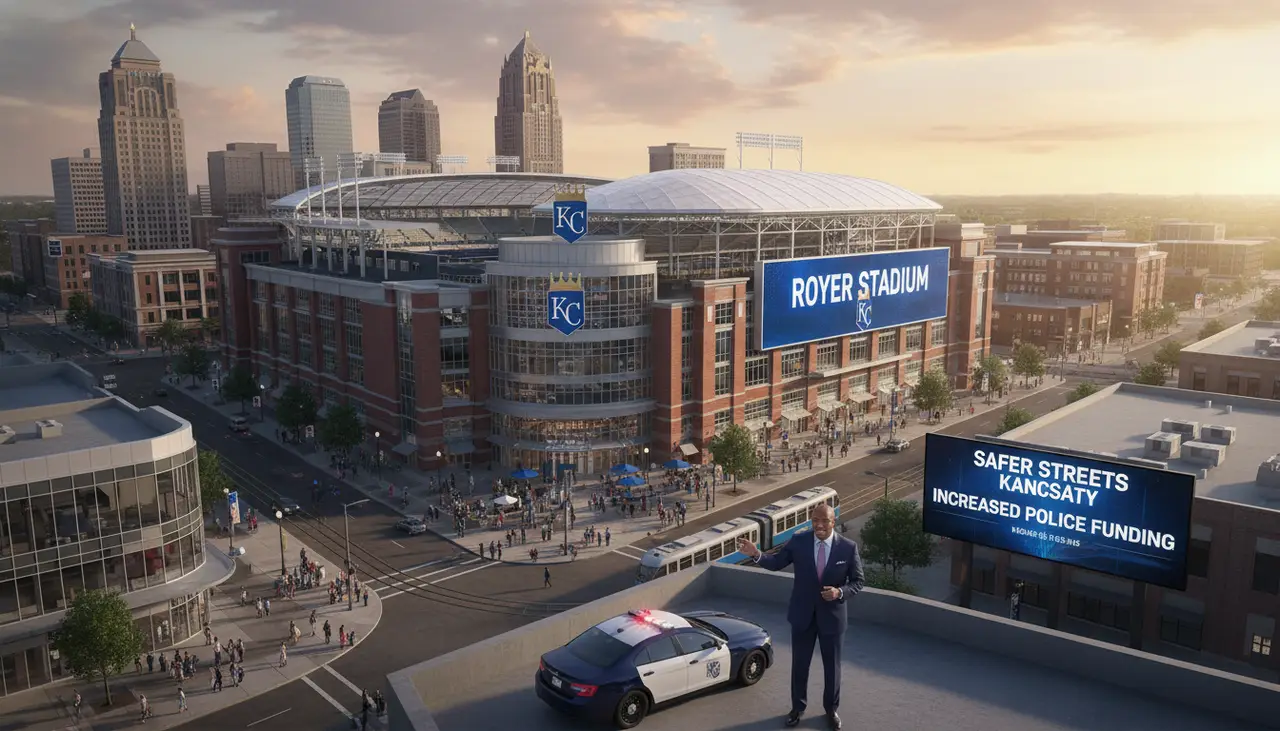
On Wednesday, Mayor Quinton Lucas delivered his seventh State of the City address, unveiling a proposed budget that keeps total city spending steady at $2.5 billion but shifts priorities sharply toward public safety. The Kansas City Police Department’s funding is set to increase by 5%, with the police budget rising to $363 million—nearly $18 million more than last year’s record $345 million. This increase means public safety, including the fire department, will receive 75% of the city’s general fund.
Lucas also called on voters to renew the city’s 1% earnings tax this April, describing it as essential for funding police, fire services, infrastructure projects, and the city workforce. The mayor highlighted ongoing efforts to hire 50 more police officers and 20 new 9-1-1 dispatchers, alongside pay raises for emergency personnel.
Meanwhile, Kansas City continues to prepare as a host city for the upcoming World Cup, welcoming teams like Argentina and England this summer. At the same time, the city faces a contentious debate over a proposed immigration detention center, emphasizing Lucas’ message that all residents and visitors belong here.
On the development front, Lucas promised a deal for a new downtown Royals stadium by the end of 2026, with Washington Square Park and 18th and Vine among the leading candidates. However, the Royals have removed Overland Park from consideration, and Clay County has withdrawn from talks. The mayor also stressed the importance of affordable housing, citing the city’s investment in 10,000 new units and ongoing homelessness prevention programs.
Why This Matters Locally: What You Need to Know
If you live or work near 18th & Vine, Union Station, or the Crossroads Arts District, this budget will affect your daily life in several urgent ways.
- Public Safety Risks: The city’s increased police funding aims to reduce crime and improve emergency response times. But if the 1% earnings tax renewal fails or police hiring stalls, expect longer waits for 9-1-1 calls and slower police response, especially in neighborhoods like Northeast and Midtown.
- Tax Impact on Your Paycheck: The 1% earnings tax is on the April ballot. Failure to renew could force cuts across city services or delayed infrastructure projects, directly impacting your commute on streets like Oak and Main or your neighborhood’s upkeep.
- Housing Stability: With 10,000 affordable housing units built but homelessness still a pressing issue, funding for shelters and tenant legal support remains critical. Cuts here could mean fewer resources for families facing eviction or housing insecurity in neighborhoods like Waldo or Brookside.
- Traffic and Development Disruptions: The Royals stadium deal promises economic growth but also potential construction chaos around Washington Square Park and 18th & Vine. These projects could disrupt traffic, parking, and local businesses for months or years.
The stakes are high. If the budget passes as proposed, you may see more officers on patrol and road repairs on your route home. If it doesn’t, public safety and city services could face severe setbacks that will directly affect your household’s security and your neighborhood’s quality of life.
If This Happens to You: Immediate Steps to Take
Whether you’re a resident noticing increased crime, a tenant facing eviction, or a commuter dealing with construction delays, here’s what you need to do now:
- Stay Informed: Track city council meetings and public budget hearings, especially those affecting your neighborhood. Visit kansascitymo.gov for updates.
- Prepare for Tax Changes: If you work in Kansas City, plan for the 1% earnings tax renewal vote in April. Understand how this tax affects your paycheck and household budget.
- Report Safety Concerns: If you experience delayed police response or notice rising crime, document incidents and contact the Kansas City Police Department’s non-emergency line immediately.
- Engage with Housing Resources: If you or someone you know faces eviction or housing instability, reach out to local tenant advocacy groups and the city’s right-to-counsel program for legal guidance.
- Plan for Construction Impacts: If you live or work near Washington Square Park or 18th & Vine, anticipate road closures or detours. Adjust your commute and communicate with your employer about potential delays.
- Voice Your Concerns: Contact your city council representative to express your priorities or concerns about public safety, housing, or development projects.
- Prepare Financially: Build an emergency fund to manage unexpected costs related to housing, transportation, or legal needs.
When Local Professional Help Becomes Necessary
Some situations require expert assistance beyond what you can handle alone. You need to contact professionals if:
- You face eviction or housing disputes: Seek immediate legal counsel. The city’s right-to-counsel program offers support, but private attorneys specializing in tenant rights may be necessary if cases escalate.
- Your property or neighborhood suffers damage from infrastructure projects: Contact licensed contractors or planners to assess repairs or advocate for your property rights during stadium or road construction.
- You experience crime-related property damage or threats: Professional legal advice becomes necessary to navigate insurance claims, restraining orders, or civil action.
- Your commute or business is disrupted by city projects: Urban planners or local business consultants can help you understand permits, zoning changes, and mitigation strategies.
Ignoring these risks or delaying professional help could lead to financial loss, prolonged insecurity, or legal complications that are difficult to reverse.
Local Context: How This Affects Your Daily Life in Kansas City
Whether you live near the bustling streets of 18th & Vine, work downtown by Union Station, or frequent the Crossroads Arts District, the city’s budget decisions will impact your safety and daily routine. Increased police presence could mean safer walks home from the streetcar stations on Main Street, but only if funding and hiring keep pace. Housing investments affect your neighbors in Waldo and Brookside, where affordable units and homelessness programs provide stability. And the Royals stadium deal, while promising economic growth, will bring months of disruption in traffic along Oak Street and surrounding areas.
These issues are not abstract. They are happening on streets you drive, walk, and live by. The choices made in city hall this spring will shape the Kansas City you come home to every day.
Where This Is Happening in Kansas
The budget’s effects will be most visible around key neighborhoods and corridors: the Historic Northeast near 18th & Vine, the Crossroads Arts District around Main Street and Baltimore Avenue, and downtown near Union Station and Washington Square Park. Locals commute through these areas daily, whether on Oak Street, Broadway Boulevard, or Troost Avenue. These streets connect neighborhoods like Midtown, Waldo, and Brookside to the city’s core, making any changes in public safety, housing, or infrastructure impossible to ignore.
Residents in these neighborhoods should prepare for the coming months of change, knowing that the decisions made now will directly affect their safety, housing stability, and quality of life.