Affordable Housing Effort Gains Ground on Troost Avenue as Rising Costs Squeeze Kansas City Residents
It’s just after 6 p.m. on a cool spring evening at the intersection of Troost Avenue and 31st Street, deep in the heart of Kansas City’s Midtown neighborhood. Construction crews are wrapping up work on a new home, the hum of power tools fading as the sun dips behind the trees lining the street. This block, once marked by vacant lots and boarded-up houses, is now part of a larger effort by Habitat for Humanity of Kansas City to rebuild entire neighborhoods using a community land trust model. For many here, this isn’t just construction — it’s a lifeline amid a housing market that’s pushing long-time residents out.
What Happened
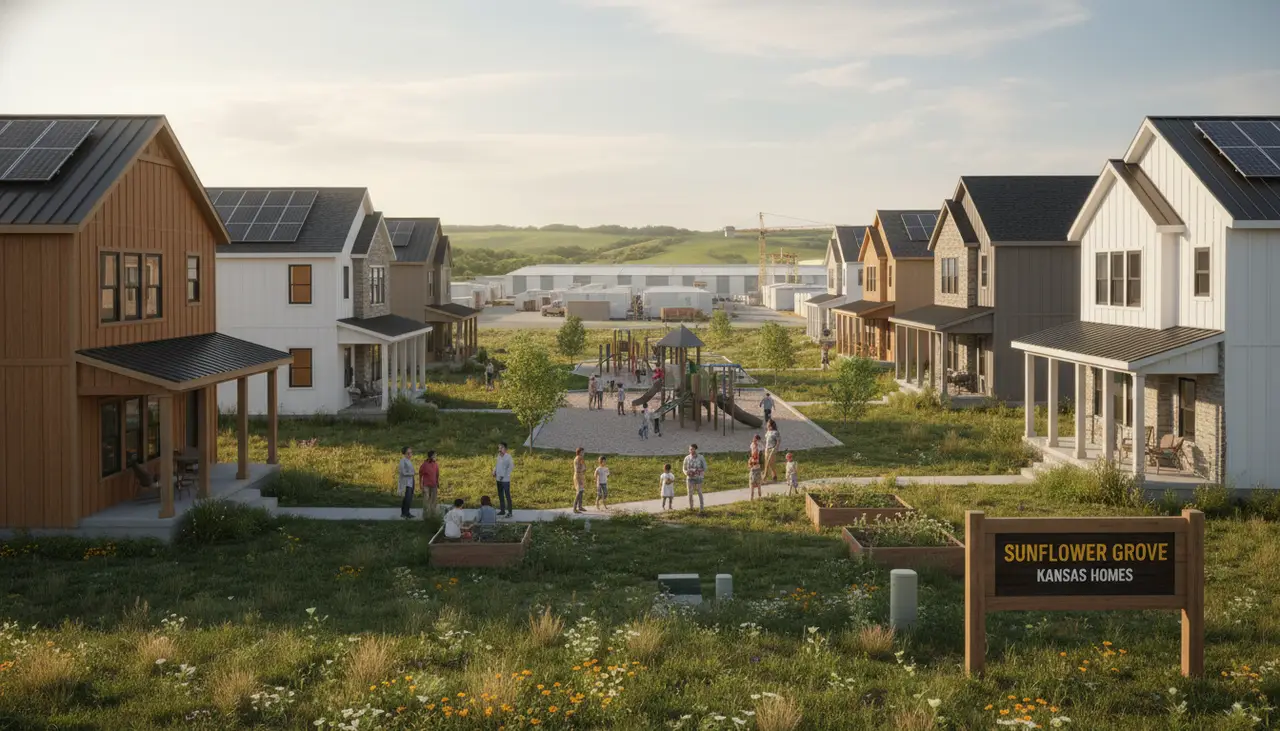
Habitat for Humanity of Kansas City has launched an ambitious project to develop affordable housing neighborhoods across Kansas, including areas like Midtown and the Historic Northeast. By employing a community land trust (CLT), the nonprofit ensures that homes remain affordable permanently. Under this model, the land is owned collectively, while residents buy the houses at a reduced price, shielding them from market-driven price spikes.
This approach is gaining traction as the cost of housing in Kansas continues to climb, squeezing out lower-income families who can no longer afford to buy or maintain homes. Dylan Lysen of the Kansas News Service recently highlighted how this tool is helping fill the affordability gap that traditional housing markets have failed to address.
Meanwhile, farmers in Kansas and beyond face their own crisis. The USDA’s regional “Climate Hubs,” established over a decade ago to help agricultural communities adapt to increasingly erratic weather, now face uncertain futures due to funding threats. Rachel Cramer of Harvest Public Media reports that if these hubs disappear, farmers could lose critical support in managing droughts, floods, and other climate impacts.
Why This Matters Locally
For Kansas City residents, especially in neighborhoods like Midtown and the Historic Northeast, the stakes are immediate. Rising home prices on streets like Troost, Linwood Boulevard, and 31st Street have pushed many families out of their communities. Without affordable options, residents face the harsh reality of increased rent, longer commutes, and deteriorating living conditions.
When affordable housing disappears, so does neighborhood stability. Crime rates often rise as economic stress mounts, and families are forced to move frequently, disrupting children’s schooling and community ties. Stress and financial strain mount, impacting physical and mental health. The risk of homelessness increases, especially for elderly residents and single-parent households.
At the same time, local farmers who supply food to Kansas City markets face crop failures and unpredictable yields without the continued support of USDA Climate Hubs. This could lead to higher food prices and less reliable fresh produce in local grocery stores, directly affecting your household budget.
If This Happens to You: What to Do Immediately
- 1. If you’re struggling with housing costs or risk eviction, contact local housing agencies such as Habitat for Humanity of Kansas City immediately to explore affordable homeownership options.
- 2. Review your lease or mortgage documents carefully to understand your rights and obligations. Don’t ignore notices or deadlines.
- 3. If you face eviction or foreclosure, seek legal assistance without delay to protect your household. Kansas City has nonprofit legal aid services that can help.
- 4. For home repairs or maintenance issues that could affect safety or habitability, contact licensed contractors or repair professionals promptly. Delays can lead to higher costs or unsafe living conditions.
- 5. Farmers or landowners concerned about climate impacts should reach out to local agricultural extension offices or USDA resources to stay informed about support programs.
- 6. If you’re unsure about zoning, property rights, or land trust agreements, consult a local real estate attorney or urban planner to avoid costly mistakes.
- 7. Stay connected with neighborhood associations and community groups to learn about resources and upcoming developments.
When Local Professional Help Becomes Necessary
There are clear points where DIY efforts won’t protect your home or livelihood. If you receive an eviction notice, foreclosure warning, or land trust contract you don’t fully understand, you need to contact a lawyer immediately. Legal expertise is critical to safeguard your rights and prevent losing your home.
Similarly, if your home requires repairs that affect structural integrity — such as foundation cracks, roofing leaks, or electrical hazards — professional contractors must be involved. Attempting to fix these issues without proper certification risks injury and can void insurance.
For residents interested in purchasing a home through the community land trust, consulting a real estate attorney or housing counselor is essential. These professionals can explain the long-term implications of CLT agreements, resale restrictions, and your rights as a homeowner.
Farmers facing climate-related challenges should seek guidance from USDA advisors or agricultural planners to implement adaptive strategies. Without professional input, crops and livelihoods are at greater risk.
Local Context
Kansas City residents drive past these neighborhoods daily, whether commuting along Troost Avenue, shopping near the historic Union Station, or enjoying the revitalized streets of the Westside. The stability of these communities affects traffic patterns, school enrollment, and local business health. As affordable housing projects expand, the city’s fabric shifts — for better or worse.
Ignoring rising housing costs or the potential loss of climate support services puts your household at risk. The choices made now by residents, city planners, and nonprofits will determine if Kansas City remains a place where families can afford to live and thrive.
Where This Is Happening in Kansas
The new affordable housing neighborhoods are concentrated around key corridors such as Troost Avenue between 31st and 39th Streets, and parts of the Historic Northeast near Independence Avenue and The Paseo. These areas have historically been underserved but are vital arteries for the city’s working families.
Residents in Midtown, the Historic Northeast, and even parts of the Westside pass through these neighborhoods daily, whether commuting to jobs downtown or accessing landmarks like the Kansas City Museum and Union Station. The community land trust homes are located near essential services, schools, and transit lines, making them critical to the city’s affordable housing strategy.
At the same time, USDA Climate Hubs serve rural Kansas counties surrounding the metro area, including Johnson, Wyandotte, and Douglas counties. Farmers here rely on these hubs to manage climate risks that directly impact food availability and prices in Kansas City markets.