Parents on Troost Avenue Face New Vaccine Confusion as Federal Guidelines Shift
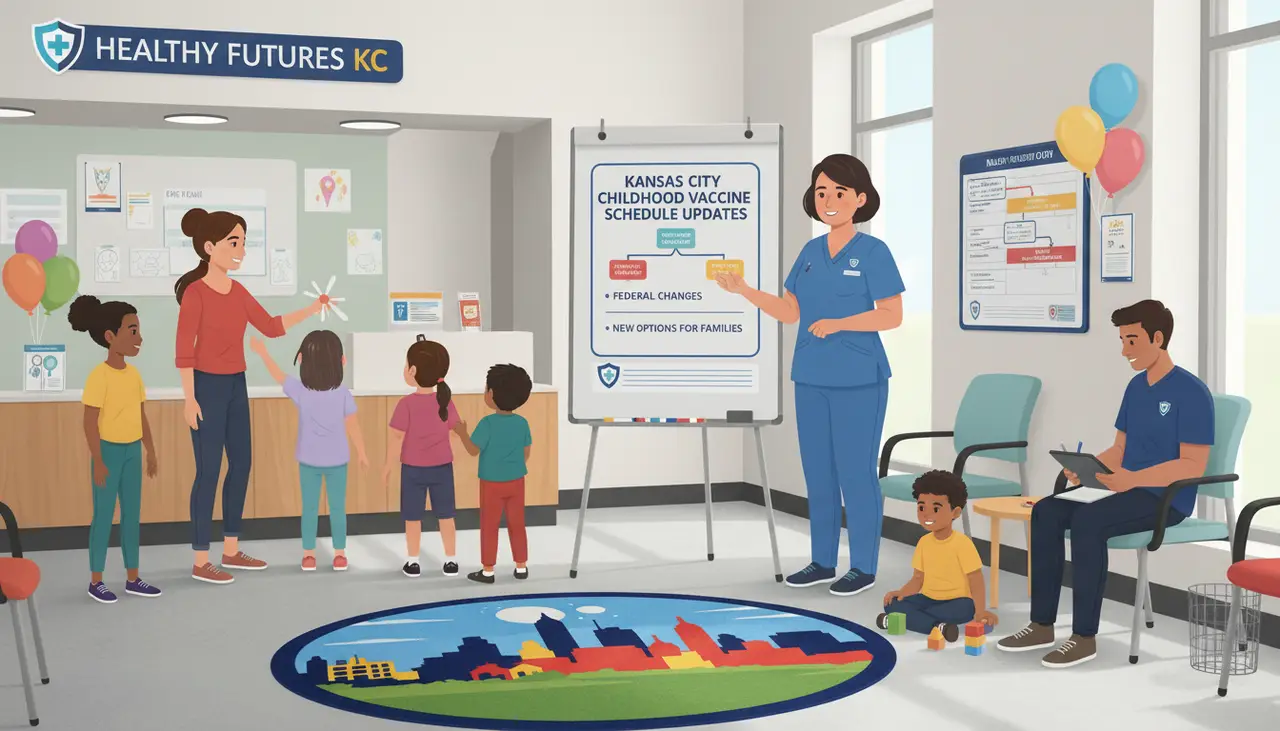
It’s 3:30 p.m. on a busy Tuesday afternoon at the intersection of Troost Avenue and 31st Street in Kansas City’s Hyde Park neighborhood. Parents clutching their children’s hands hurry along the sidewalks, some heading toward the nearby Kansas City Health Department on Prospect Avenue. Inside the clinic, nurses prepare for afternoon appointments, but there’s a new layer of tension in the air. Parents are asking more questions than usual about which vaccines their children really need. The usual routine of check-ups and immunizations has become a minefield of uncertainty.
Federal Vaccine Recommendations Cut Back, Kansas City Pushes Back
Last month, the Centers for Disease Control and Prevention (CDC) drastically reduced the number of universally recommended childhood vaccines from 17 to 11. Vaccines for meningitis, rotavirus, hepatitis A and B, respiratory syncytial virus (RSV), COVID-19, and the flu are no longer universally recommended. This change, announced during Robert F. Kennedy Jr.’s campaign and subsequent appointment as the nation’s chief health official, caught many local health providers off guard.
Dr. Marvia Jones, director of the Kansas City Health Department, has publicly voiced concern about the impact this will have on families. “Of all the things you’re thinking about when your little kid is going to the doctor, now you’ve also got to remember that,” Jones said. She and other local health leaders are rejecting the new CDC schedule, continuing to recommend vaccines for diseases like meningitis and hepatitis based on decades of research.
Nearby in Johnson County, Health Director Charlie Hunt echoed these concerns. “By deemphasizing these vaccines, the federal changes sow doubt where there shouldn’t be any,” Hunt said. Both counties are seeing a rise in parental skepticism, with many unsure whether to follow the federal guidelines or stick with prior recommendations.
Why This Matters to Kansas City Families
This shift in vaccine guidance isn’t just a bureaucratic change—it has real, immediate consequences for families in neighborhoods like Hyde Park, Waldo, and areas around Children’s Mercy Hospital on Broadway Boulevard. Parents now face added stress and confusion when taking their children for routine doctor visits. The burden of tracking which vaccines are still recommended, which require doctor discussion, and which are no longer advised falls squarely on families.
Ignoring this confusion isn’t an option. If parents miss vaccinating their children against meningitis or hepatitis because they believe it’s no longer necessary, they risk outbreaks of diseases that Kansas City has worked hard to control. This means more missed school days, potential hospital stays, and increased medical expenses. For working parents, time off to care for sick children can lead to lost wages and job insecurity.
Traffic on major routes like Troost Avenue and 39th Street may also be impacted if outbreaks result in increased visits to emergency rooms or clinics, further straining local healthcare resources. The stakes are high, and the window to act is narrow.
If This Affects You: What To Do Now
- First, review your child’s current immunization records. Know exactly which vaccines they have received.
- Contact your child’s primary care provider or pediatrician before your next appointment. Ask for clarification on which vaccines are recommended based on the latest local guidance.
- Do not assume the absence of a vaccine recommendation from the CDC means it’s safe to skip it. Confirm with your healthcare provider.
- If your doctor does not bring up vaccines like meningitis or hepatitis, proactively ask about them during visits.
- Visit the Kansas City Health Department on Prospect Avenue or Johnson County Public Health for up-to-date information and vaccination services.
- Keep a written record of all vaccine discussions and decisions for future reference.
- Stay informed by following statements from trusted local institutions like Children’s Mercy Hospital and the American Academy of Pediatrics.
When Professional Help Becomes Necessary
If your child experiences complications or adverse reactions following vaccination, you need to contact healthcare professionals immediately. Early intervention can prevent long-term harm.
For families facing disputes with schools or childcare centers over vaccination requirements, legal help becomes necessary. Kansas City parents should seek advice from attorneys experienced in health law or education law to navigate exemptions and mandates.
Home contractors and planners may become involved if your household needs to make adjustments for a child with vaccine-preventable illnesses—such as installing air filtration systems or creating quarantine spaces—especially in densely populated neighborhoods like Waldo or Brookside.
Finally, if you encounter vaccine misinformation spreading in your community or online that leads to health risks, public health officials and communication experts can assist in correcting falsehoods and preventing outbreaks.
Local Context: Why This Hits Home in Kansas City
The changes to vaccine recommendations are not happening in a vacuum. Kansas City residents regularly navigate the busy corridors of Troost Avenue, Broadway Boulevard, and 39th Street—areas connecting neighborhoods like Hyde Park, Waldo, and the Country Club Plaza. Many families rely on institutions like Children’s Mercy Hospital and the Kansas City Health Department for trusted healthcare services.
This is a city where community health impacts every household directly. Whether dropping kids off at school near 39th and Main or visiting the public health clinic on Prospect Avenue, residents will encounter the ripple effects of this federal policy shift. The increased burden on parents to understand and secure vaccines threatens to reverse progress Kansas City has made in protecting its youngest citizens.
Ignoring these changes puts your family at risk. Delaying vaccination decisions or relying on incomplete information could mean facing preventable illness, costly medical bills, and prolonged disruptions to daily life. Kansas City parents must act now to protect their children—and the community.
Where This Is Happening in Kansas
This vaccine confusion and increased parental responsibility are most visible in neighborhoods such as Hyde Park, Waldo, and near the Country Club Plaza, where families frequent local clinics and hospitals. Streets like Troost Avenue, Broadway Boulevard, and 39th Street serve as key arteries connecting these neighborhoods to healthcare providers, including the Kansas City Health Department on Prospect Avenue and Children’s Mercy Hospital on Broadway.
Residents traveling these routes daily—whether to work, school, or appointments—are the ones feeling the pressure of these new immunization guidelines. The uncertainty around vaccines creates a ripple effect through schools, childcare centers, and workplaces across the metro area, making this a citywide challenge.