Rush Hour on 18th Street: What Kansas City’s Earnings Tax Renewal Means for You
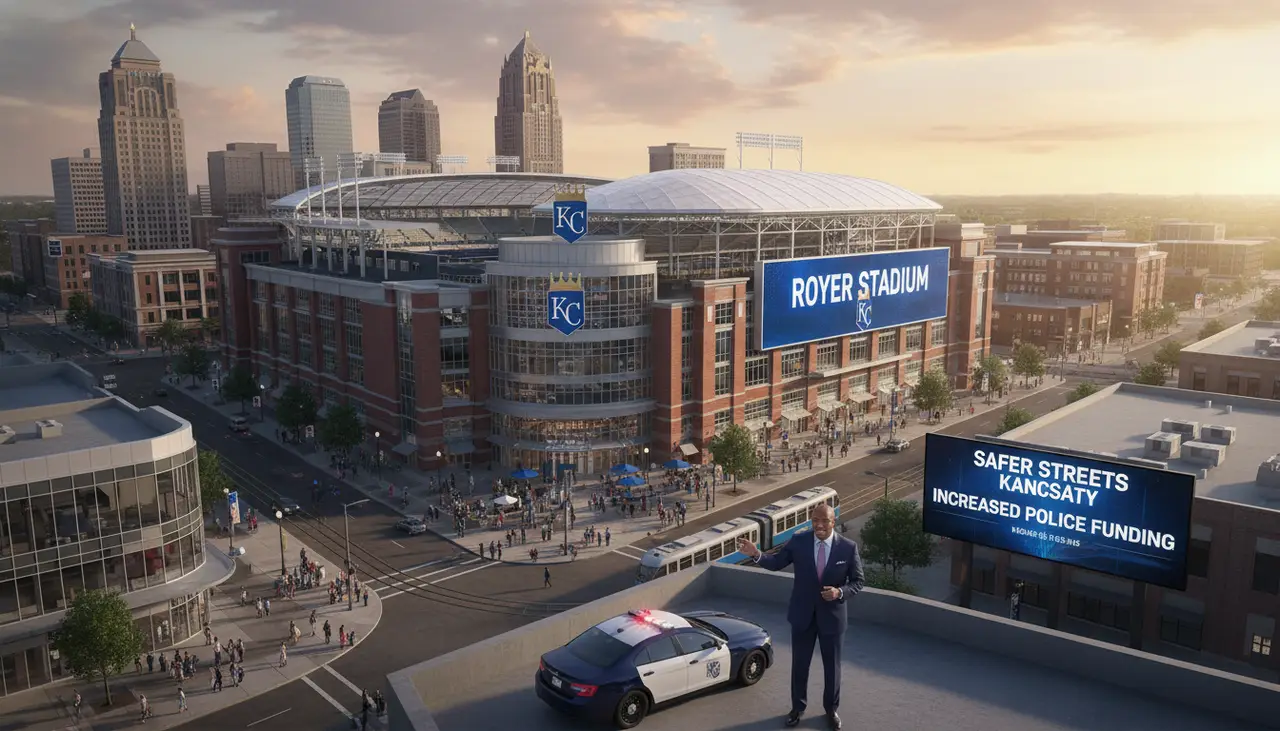
It’s 7:30 a.m. on a brisk Tuesday morning near the intersection of 18th Street and Grand Boulevard in downtown Kansas City’s Crossroads Arts District. Commuters shuffle into buses and cars inch forward, inching through potholes patched just last fall. Trash bins line the curbs of nearby Westport as city workers prepare for their daily routes. At City Hall, just a few blocks away, Mayor Quinton Lucas is preparing to make a public announcement that could directly affect every resident and worker in this bustling urban core.
On April 7, Kansas City voters will decide whether to renew the city’s 1% earnings tax, a levy that currently generates $373.7 million annually—nearly half (47%) of the city’s general fund. This money funds critical services like police, fire, emergency medical response, street repairs, trash pickup, and snow removal. The stakes are high: without this revenue, the city faces immediate risks to public safety and infrastructure maintenance that residents rely on daily.
What’s Happening: The Earnings Tax Renewal Vote
A broad coalition of local leaders, including Mayor Quinton Lucas, Duke Dujakovich of the Greater Kansas City AFL-CIO, and Joe Reardon of the Greater Kansas City Chamber of Commerce, announced their support for renewing the earnings tax. The tax, last approved by voters in 2021 with 77% approval, will appear on the April 7 ballot. Renewal means the tax rate stays at 1%; it will not increase.
The tax revenue supports essential city services. Mayor Lucas emphasized that without the earnings tax, Kansas City cannot maintain basic services such as pothole repair on major arteries like Troost Avenue and Ward Parkway, or reliable trash pickup in neighborhoods like Hyde Park and Waldo. It also funds first responders, whose jobs are crucial when emergencies strike anywhere from the River Market to Brookside.
Joe Reardon pointed out that nearly half of the tax revenue comes from nonresidents who work in Kansas City but live elsewhere, highlighting the tax’s broader regional impact. This means the burden doesn’t fall solely on city residents, but on the workforce that keeps Kansas City’s economy moving.
Why This Matters to You—Right Now
If the earnings tax is not renewed, the consequences will be immediate and tangible. Imagine this scenario: you’re driving home from work on Armour Boulevard, and the potholes you’ve reported for months remain unrepaired. Trash piles up on your street in Waldo because pickup schedules have been cut. Snow falls overnight near the Country Club Plaza, and plows are delayed because the city has reduced its snow removal crews. Emergency response times slow down as police and fire departments face budget cuts, putting you and your family at increased risk.
These are not hypothetical problems. Without the earnings tax renewal, Kansas City faces a shortfall of nearly half its general fund. That means fewer city workers maintaining streets, clearing snow, and responding to emergencies. Delays in repairs and services will increase your daily stress, cost you time stuck in traffic or waiting for help, and could even impact your housing values if neighborhoods deteriorate.
For workers commuting through the city from nearby suburbs like Overland Park or Independence, service reductions will affect your safety and commute quality. Businesses along Main Street and near Union Station will feel the strain as public safety and sanitation services decline, potentially deterring customers and visitors.
If You Are Affected: What to Do Immediately
- Mark your calendar for April 7 and plan to vote on the earnings tax renewal. This decision directly impacts your neighborhood services and safety.
- Check your voter registration status now at the Kansas City Board of Election Commissioners to avoid last-minute issues.
- Report any street damage, trash pickup problems, or safety concerns promptly to the city’s 311 service to document issues before budget cuts take effect.
- Prepare for potential service delays by adjusting your commute times and emergency plans, especially if you live in neighborhoods like Hyde Park or Brookside.
- Stay informed about city council meetings and public forums where funding and service levels are discussed.
- Communicate with your employer if you work in Kansas City but live outside the city to understand how the tax renewal affects your paycheck and city services.
- Discuss with neighbors and community groups to organize collective action if services are cut.
When Professional Help Becomes Necessary
While many residents can manage minor inconveniences, there are clear points where professional assistance is essential:
- Legal Help: If you experience disputes related to property damage caused by delayed street repairs or snow removal, consult a local attorney to understand your rights and potential claims.
- Contractors: Should city services fail to maintain your street or public areas, you might need to hire licensed contractors for urgent repairs or maintenance—especially for private property adjacent to public roads.
- Planners and Community Advocates: Residents concerned about long-term neighborhood impacts should engage with urban planners or local advocacy organizations to push for alternative funding or solutions.
- Repair Services: If emergency services slow down and your home or vehicle is damaged during an incident, prompt contact with professional repair services becomes critical to prevent further loss.
Local Context: Why This Vote Hits Home
Every day, thousands of Kansas Citians pass through the affected areas—from the bustling streets of 18th and Grand in the Crossroads to the residential blocks of Hyde Park and Brookside. The earnings tax funds the city’s ability to keep these neighborhoods safe and functional. It supports the officers who patrol Troost Avenue and the crews who clear snow from Ward Parkway.
Failing to renew this tax puts your daily routine at risk. Whether you’re a parent dropping kids off near the Country Club Plaza, a small business owner in Westport, or a commuter traveling along Armour Boulevard, the consequences of lost funding will be felt in traffic snarls, delayed emergency responses, and deteriorating public spaces.
The April 7 vote isn’t just about numbers on a ballot; it’s about the safety, stability, and quality of life in Kansas City’s neighborhoods. Ignoring this deadline risks a cascade of service cuts that will hit your household’s wallet, safety, and peace of mind.
Where This Is Happening in Kansas
The earnings tax renewal affects streets and neighborhoods across Kansas City, including key corridors like 18th Street, Grand Boulevard, Troost Avenue, Ward Parkway, and Armour Boulevard. These arteries connect vibrant neighborhoods such as the Crossroads Arts District, Hyde Park, Brookside, Westport, and Waldo.
Landmarks like Union Station and the Country Club Plaza rely on city services funded by this tax to maintain safe, clean, and accessible environments. Residents commuting from suburbs like Overland Park and Independence travel daily through these areas, benefiting from public safety and infrastructure funded by the earnings tax.
Whether you live, work, or travel through these parts of Kansas City, the renewal of the earnings tax is not an abstract issue—it’s a decision that will shape your neighborhood’s future and your family’s daily life.