New Masai Giraffe Calf at Kansas City Zoo Highlights Urgent Need for Habitat Safety and Community Awareness
It was just past 10 a.m. on Emanuel Cleaver II Boulevard near the historic Brookside neighborhood when a steady stream of families, tourists, and local school groups converged toward the Kansas City Zoo’s main entrance. The air was brisk for mid-February, but inside the zoo, excitement buzzed around the recent arrival of a new Masai giraffe calf named Nora. This isn’t just a feel-good story—it’s a development that carries real implications for residents living near the zoo and those who frequent the area.
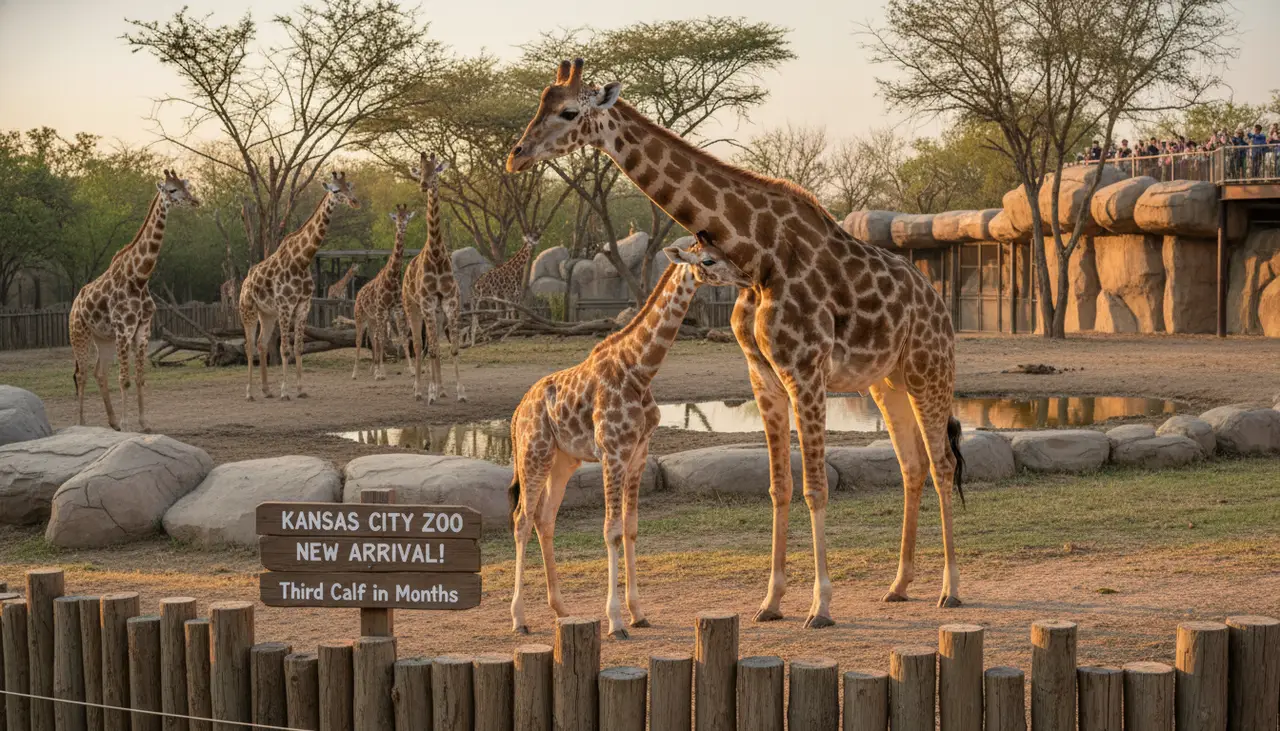
On February 7, the Kansas City Zoo welcomed Nora, a six-foot-tall female Masai giraffe calf born to Makali. The announcement came five days later, on February 12, confirming Nora as the third Masai giraffe calf born in less than four months at the facility. Her father, Aidan, a six-year-old giraffe, is also the sire of Nora’s siblings, Beni and Aspen. The zoo is currently preparing a new giraffe habitat, slated to open in May 2026, designed to allow visitors year-round access to these majestic animals.
What This Means for Kansas City Residents
While the birth of Nora brings hope and pride to the Kansas City community, it also raises pressing concerns about neighborhood safety, traffic congestion, and the strain on local infrastructure. The zoo sits just off Emanuel Cleaver II Boulevard, a key artery connecting the Brookside and Waldo neighborhoods. This corridor already experiences heavy weekend traffic, and with increased zoo visitors eager to see the growing giraffe family, congestion will only worsen.
Local residents must prepare for longer commute times, especially along Emanuel Cleaver II Boulevard and Wornall Road. The influx of visitors will impact daily routines, from school drop-offs to grocery runs, with potential delays stretching into the evening rush hour. Those living in the nearby Hyde Park and Waldo neighborhoods may also experience increased noise and parking challenges as the zoo’s visitor numbers climb.
Moreover, the zoo’s expansion plans for the new giraffe habitat bring construction activity that could disrupt local streets for months, potentially affecting property values and causing stress for homeowners and renters alike. Construction vehicles and equipment will likely use streets like Oak Street and Gregory Boulevard, increasing wear and tear and raising safety concerns for pedestrians and cyclists.
If You Live or Work Near the Zoo: What You Need to Do Now
- Plan your daily routes to avoid Emanuel Cleaver II Boulevard and Wornall Road during peak zoo visiting hours.
- Monitor local traffic reports and the Kansas City Zoo website for construction updates and road closures.
- Secure your property against potential construction disturbances—check fences, gates, and outdoor equipment.
- Communicate with your employer about possible flexible work hours to avoid traffic delays.
- Report any unsafe road or sidewalk conditions immediately to Kansas City’s Public Works Department.
- Consider alternative parking options if you live in Brookside or Waldo, as street parking will be limited.
- Stay informed about community meetings regarding the zoo’s expansion and voice your concerns.
When Professional Help Becomes Necessary
Not all challenges can be solved by personal planning. If your property suffers damage from construction—such as cracked driveways, broken fences, or foundation issues—you need to contact licensed contractors promptly. Delaying repairs can escalate costs and complicate insurance claims.
If you experience disputes with the zoo or city officials over property access, noise complaints, or traffic-related damages, consulting an experienced local attorney is essential. Legal experts can guide you through negotiations, zoning laws, and potential compensation claims.
For homeowners facing increased traffic noise or safety hazards, urban planners and local neighborhood associations can provide advice on mitigation strategies and advocate for better infrastructure improvements. Engaging with these professionals early can prevent long-term issues and improve quality of life.
Local Context: Why This Matters to You
The Kansas City Zoo is a cornerstone institution located near the intersection of Emanuel Cleaver II Boulevard and Wornall Road—two of the city’s busiest streets. Residents of Brookside, Waldo, Hyde Park, and surrounding neighborhoods pass through or near this area daily. Whether commuting to work, taking children to school, or running errands, the changes brought by the new giraffe calf and upcoming habitat will directly impact your time, safety, and household expenses.
Ignoring these developments could lead to unexpected delays, costly property damage, and heightened stress. The zoo’s growth is a reminder that even positive local events come with consequences that demand attention and action from Kansas City residents.
Where This Is Happening in Kansas
The Kansas City Zoo is situated just south of Emanuel Cleaver II Boulevard, near the intersection with Wornall Road. This area acts as a gateway between the Brookside and Waldo neighborhoods, both known for their residential streets, local businesses, and schools. Nearby landmarks include Loose Park and the Country Club Plaza, which funnel additional traffic through these corridors.
Locals traveling between downtown Kansas City and southern suburbs often use Emanuel Cleaver II Boulevard and Wornall Road, making this stretch one of the city’s critical transit points. The zoo’s expansion and increased visitor volume will ripple through these neighborhoods, affecting daily commutes and community life across a wide area.